Best GST Billing Software for Small Business in India 2026
Running a small business in India means wearing many hats — owner, salesperson, accountant, and delivery person, all at once. The last thing you need is a billing system that adds to the confusion. This guide cuts through the noise and tells you exactly what to look for and which options genuinely serve small businesses in 2026.
Why GST Billing Software Actually Matters
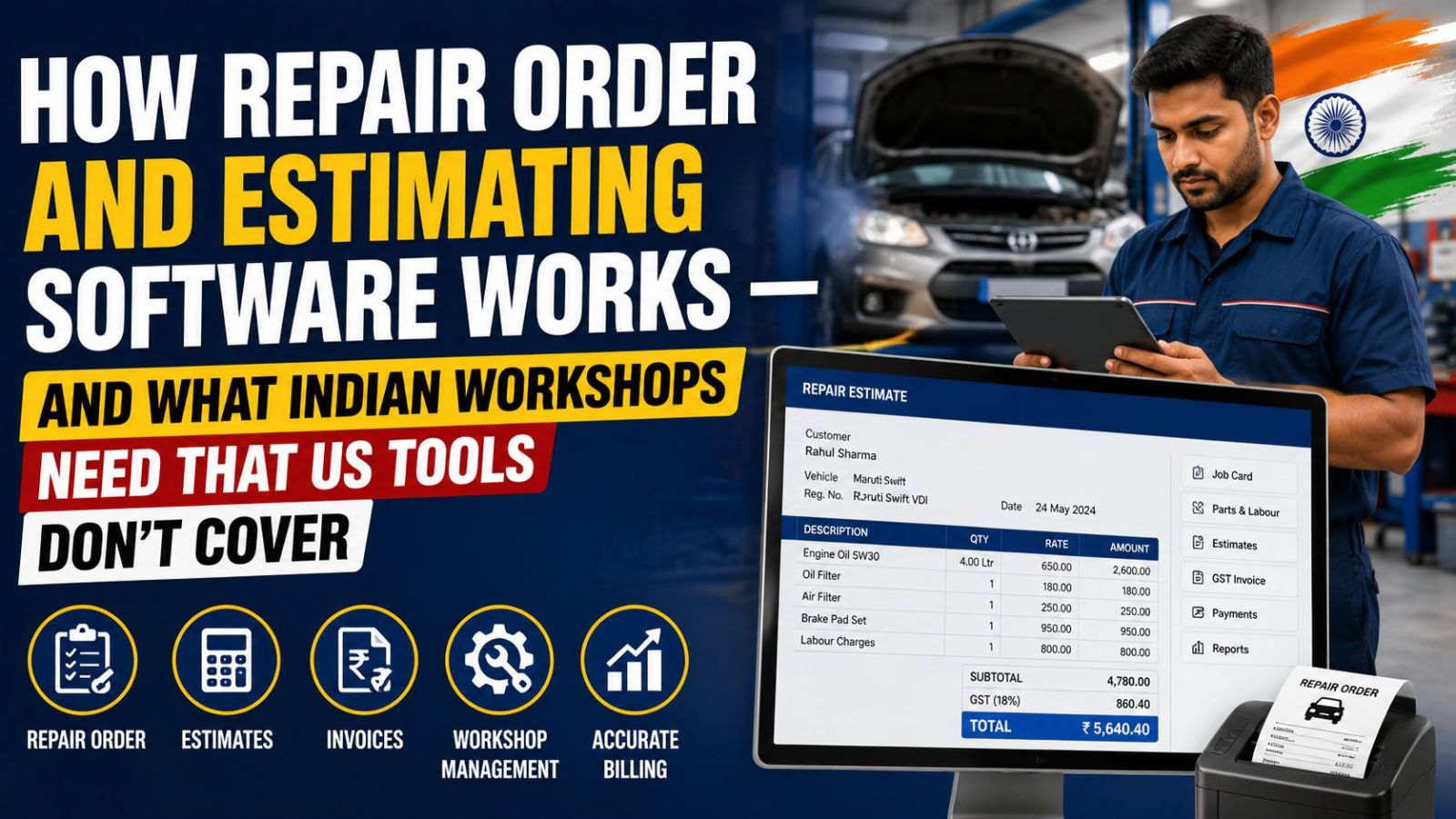
When GST was introduced in India in 2017, it changed how every business — from a corner kirana store to a city-based service agency — handles its invoices. A valid GST invoice today is not just a piece of paper that says how much someone owes you. It is a legal document that feeds directly into your monthly and quarterly tax filings.
If your invoice has the wrong GSTIN format, applies the incorrect tax rate, or leaves out a mandatory field, it can trigger notices, rejected returns, or reconciliation problems during audits. For small business owners who are already stretched thin managing customers, inventory, and cash flow, billing errors are one of the most unnecessary headaches to deal with.
This is why choosing the right billing software is not just about convenience. It is about protecting your business from compliance risk while saving yourself hours every month.
What Small Businesses Actually Need
Before comparing tools, it helps to understand what a typical small business in India actually requires from billing software. Based on how small traders, service providers, and workshop owners work, here are the non-negotiable needs:
- Mobile-first access — most small business owners run their operations from a phone, not a desktop
- Simple GST calculation — the software should know the correct rates and apply them automatically
- Customer ledger — tracking who owes how much and since when
- Fast invoice generation — ideally under a minute, with the ability to send via WhatsApp
- Affordable pricing — not enterprise-level subscription costs
- Hindi or regional language support — critical for ease of use across India
Top Billing Software Options in India 2026
There are several tools in the market, each designed with slightly different audiences in mind. Here is an honest look at the main options:
Prajware Invoice
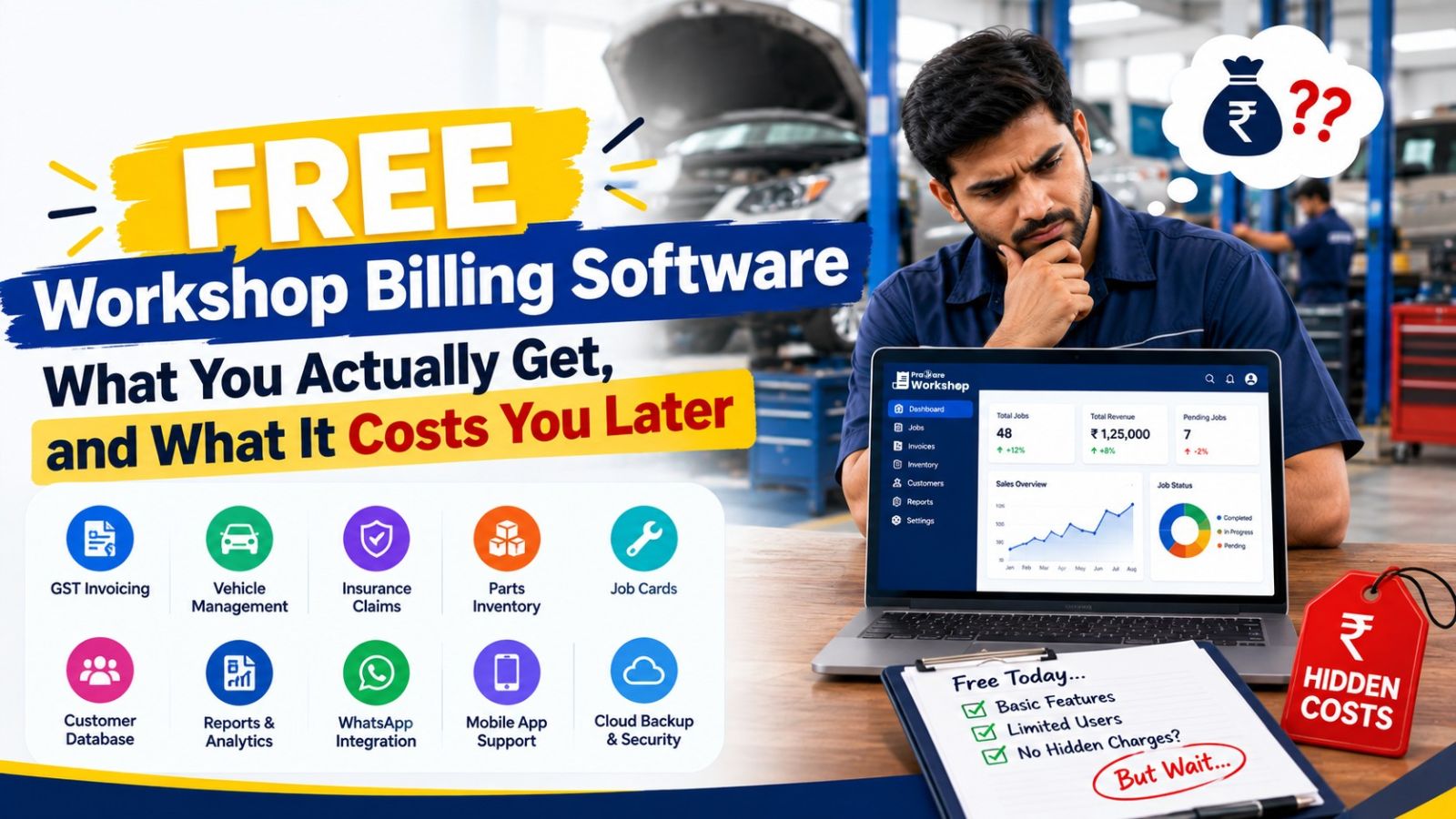
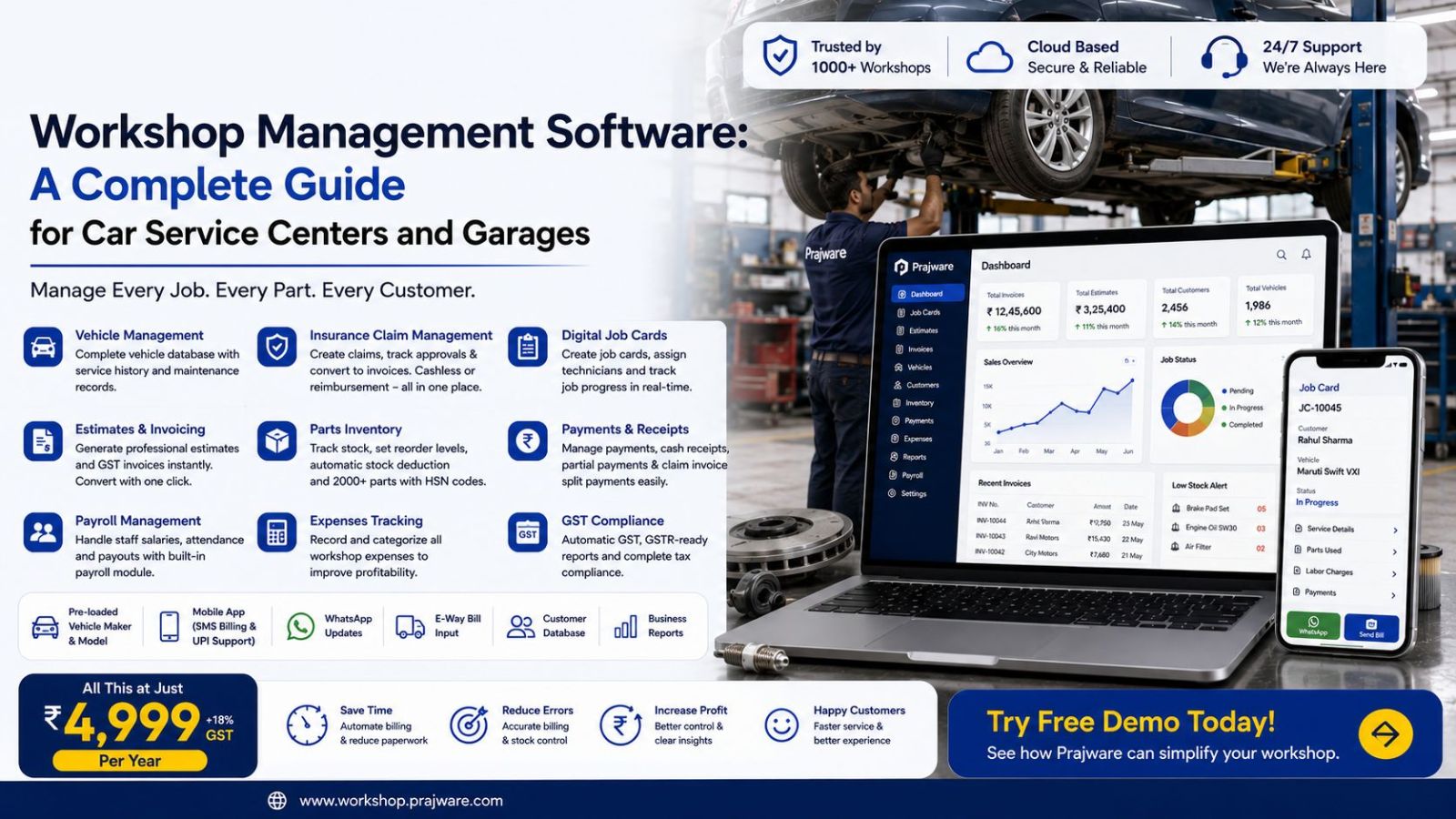
Prajware Invoice is a cloud-based GST billing solution built specifically for small businesses, service providers, traders, and workshop owners in India. What makes it different from the broader tools is its simplicity and its specific focus on the Indian small business reality — mobile-first, WhatsApp-native, and designed for people who may not have formal accounting backgrounds.
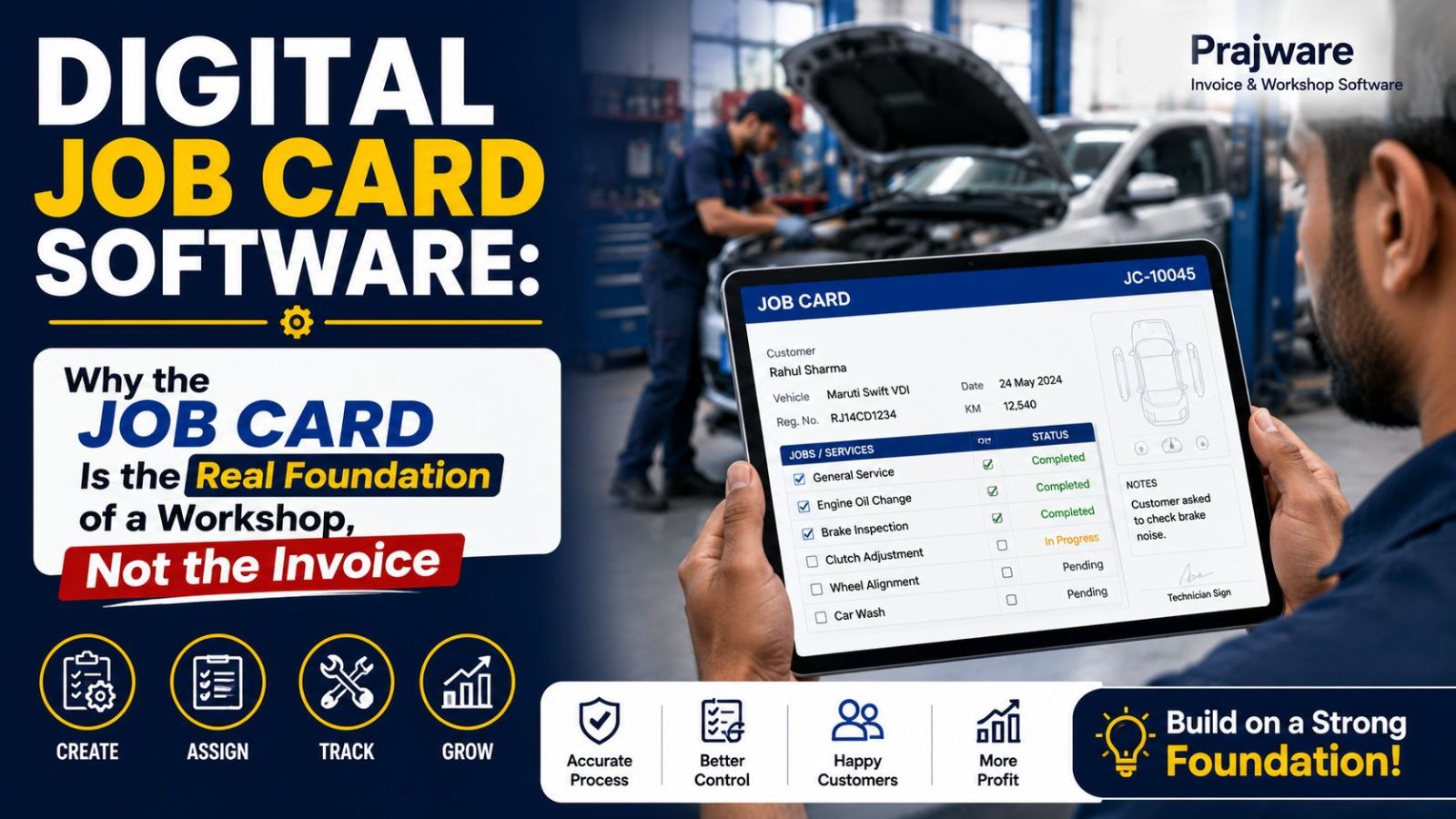
Key strengths include automatic GSTIN validation, HSN code lookup, one-click WhatsApp sharing of invoices, a built-in customer ledger, and a separate module for workshop job card management. Pricing is designed to be genuinely accessible for micro and small businesses, with a free trial that requires no credit card.
Vyapar
Vyapar is one of the most popular offline billing apps in India, particularly among traders and retail shop owners. It works well without a constant internet connection, which is a real advantage in areas with unstable connectivity. However, it does not have a dedicated module for workshop or service center management, and its multi-device syncing requires a premium subscription.
Zoho Books
Zoho Books is a full-featured accounting platform suited to businesses that need more than billing — including expense management, bank reconciliation, and detailed financial reporting. It is a strong product, but its depth of features can feel overwhelming for a small shop owner who just wants to create invoices and track who owes them money.
Tally Prime
Tally has been the standard in Indian business accounting for decades. It remains the preferred tool for businesses with complex inventory, manufacturing workflows, or those in industries where a CA does the accounting. For smaller operations, the learning curve and licence cost can be a barrier, and mobile access is limited compared to cloud-native tools.
Which One Should You Choose?
The right tool depends on what you actually need — not what has the most features.
If you run a car workshop, bike service centre, or auto garage and need job cards along with billing, Prajware is worth trying first. If you are a small trader who sells physical goods and often works offline, Vyapar is worth considering. If your business is growing and you need full accounting with financial statements, Zoho Books makes sense. If you have a CA managing your accounts and need powerful inventory management, Tally remains a solid choice.
The Three Questions to Ask Before You Decide
- Do I need this on my phone most of the time, or do I have a dedicated desktop for billing?
- Am I doing the billing myself, or does a staff member or CA handle it?
- Do I need just invoicing, or do I also need inventory, payroll, or expense tracking?
Answering these three questions honestly will save you from subscribing to something overcomplicated or under-equipped.
A Note on Free Trials
Almost every billing software in India now offers a free trial period. Use it properly. Do not just click around — actually create a few real invoices, add your existing customers, and test how easy it is to find a previous transaction a week later. The tool that feels most natural during the trial is almost always the one you will actually use consistently after paying for it.
Try Prajware Invoice free — no credit card needed: invoice.prajware.com